
The Role of Cognitive Biases in Gambling
Cognitive biases play a significant role in how players approach casino games. These mental shortcuts often lead individuals to make irrational decisions based on their perceptions rather than actual probabilities. For instance, many gamblers tend to fall prey to the gambler’s fallacy, where they believe that past events influence future outcomes. This can lead to misguided strategies, as players might think a losing streak must be followed by a win, causing them to bet more aggressively. Understanding the allure of anonymous casinos can further complicate these thought processes.
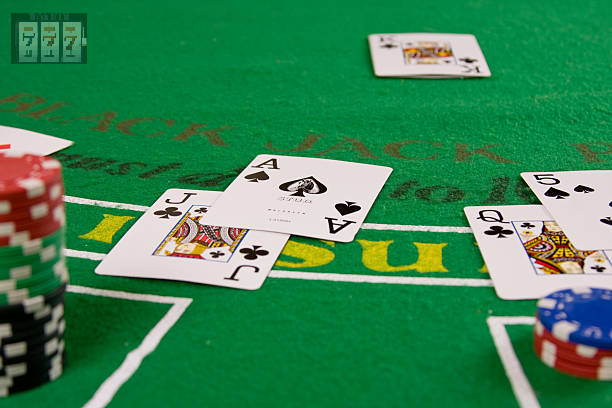
Another prevalent cognitive bias is the illusion of control, which makes players feel they can influence the outcome of games that are predominantly based on chance. This belief can lead to overconfidence and risky behavior, resulting in larger bets and more significant losses. Understanding these biases not only helps players recognize their own tendencies but also allows them to develop more rational gaming strategies.
Emotional Factors at Play
Emotions significantly impact gambling decisions, from excitement and thrill to stress and anxiety. The euphoric highs of winning can create a sense of invincibility, pushing players to take greater risks. Conversely, losses can lead to frustration and desperation, driving players to chase their losses through irrational betting behaviors. This emotional rollercoaster can cloud judgment and compromise strategic thinking, often leading players further into adverse territory.
Moreover, the social environment of casinos can amplify emotional experiences. The atmosphere, filled with sounds, lights, and the presence of other players, can stimulate excitement or anxiety, influencing how individuals approach their strategies. Players may employ “mood management” techniques, consciously or unconsciously adjusting their strategies based on their emotional states, which can have profound effects on their overall gambling experience. Unknown factors often play a vital role in how players perceive their environment and make decisions.
The Influence of Environmental Cues
Certain environmental factors in casinos, such as lighting, sounds, and even scents, can subconsciously affect players’ behaviors and strategies. Casinos are designed to create a stimulating atmosphere that encourages prolonged play, often blurring the lines between strategy and impulsive behavior. These cues can activate emotional responses that may lead to more liberal betting and a lack of strategic restraint.
Additionally, the layout of a casino can impact users’ perceptions of risk and reward. For example, games with higher visibility and accessibility may draw more players, fostering a sense of competition that can influence betting strategies. Players may adjust their approaches based on the perceived actions of others, further complicating their decision-making processes and potentially leading to competitive irrationality.
Strategic Approaches and Behavioral Adaptation
The psychology behind strategic gambling is rooted in the need for players to adapt their behaviors based on previous outcomes and emotions. Different individuals employ various strategies, such as setting limits, focusing on specific games, or utilizing betting systems. Recognizing the psychological underpinnings of these choices can provide insight into why certain strategies work for some players while failing for others.
Additionally, understanding the adaptive nature of strategies allows players to adjust their approaches in real-time. A player may start with a conservative strategy but shift to a more aggressive approach depending on their emotional state or the game’s progress. This flexibility, driven by psychological factors, can be a double-edged sword, helping players maximize wins while also tightening the grip of losses.

Safe Gaming Practices and Responsible Choices
Ultimately, the understanding of psychological dynamics in casino gaming highlights the importance of developing safe gaming practices. Players must recognize their emotional and cognitive biases to implement strategies that promote responsible gambling. Setting predefined limits, taking regular breaks, and remaining aware of their emotional states can help players maintain control over their gambling habits.
Websites like Stitcherstudios.com provide valuable resources to educate players about safe gambling practices. They emphasize the significance of a secure and user-friendly environment, allowing users to engage with content that promotes informed decisions. By understanding the psychology behind gaming strategies, players can navigate the complexities of gambling more effectively and responsibly.